Mobility-Limited Dog Puzzle Toys Compared For Arthritis-Safe Play
By Maya Okafor • 21st May
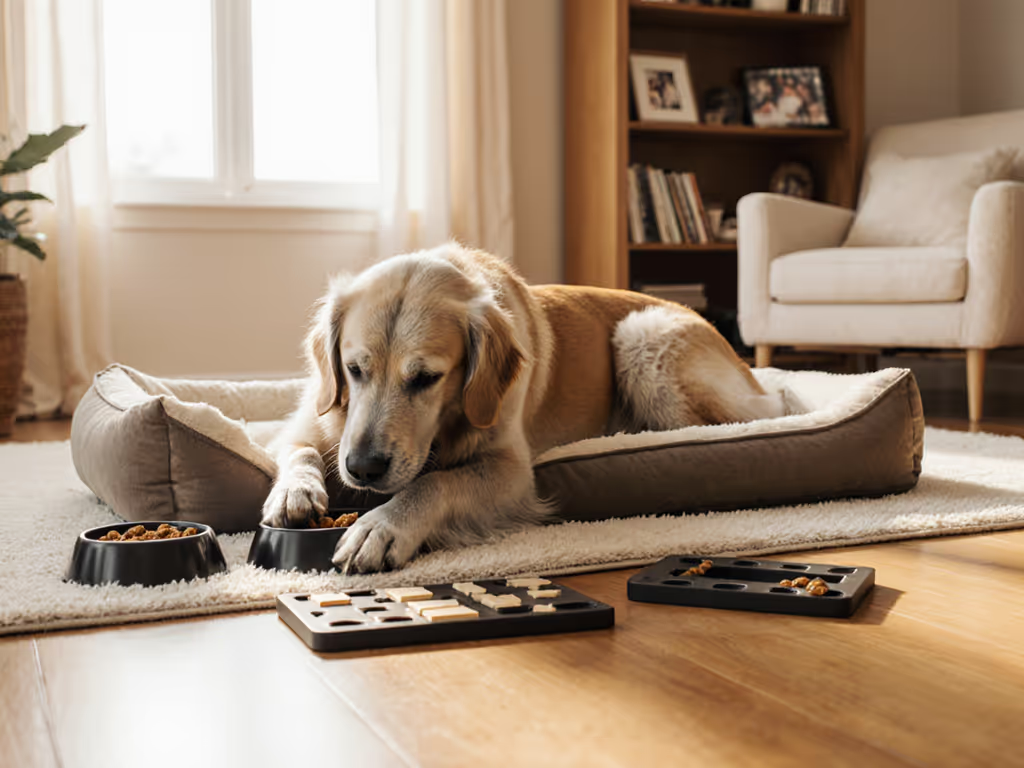
Guardians of stiff, sore, or post-injury pups face a weird paradox: your dog needs mental work, but many toys assume bouncing, pouncing, and hard paw swats. This mobility-limited dog puzzle toys comparison is built for dogs who prefer to lie down, shift minimally, and still enjoy arthritis-friendly cognitive enrichment.
Instead of a pile of impulse buys, we'll walk through puzzle types, how they score on price-to-playtime, mess, and accessibility, and which ones really deliver senior dog cognitive engagement without overloading sore joints. For a broader low-impact roundup beyond puzzles, see our arthritis-safe dog toys comparison.
Spend less, enrich more, using clear price-to-playtime math.
1. How To Read This Mobility-Limited Dog Puzzle Toys Comparison
Before we rank specific accessible enrichment solutions, here are the metrics I use in foster and senior homes.
Core Metrics (1-5 scale unless noted):
- Price-to-playtime: Minutes of focused engagement per dollar, averaged over 10+ sessions.
- Cost-per-minute: Roughly, purchase price ÷ typical total minutes used before replacement.
- Mess index: 1 = almost crumb-free; 5 = you'll find goo on baseboards.
- Cleanup minutes: Typical time to get it hygienic again.
- Repairability: 1 = toss when damaged; 5 = easily repaired or refreshed.
- Accessibility for low-mobility dogs:
- Can a dog work it lying down or sitting?
- Does it require big paw swats, quick pivoting, or jumping?
- Are moving parts easy to nudge with nose or tongue?
I also note noise (apartment-friendly or not) and supervision needs.
Price-to-playtime wins when your dog stays engaged, the cleanup minutes stay predictable, and you're not replacing the toy every month.
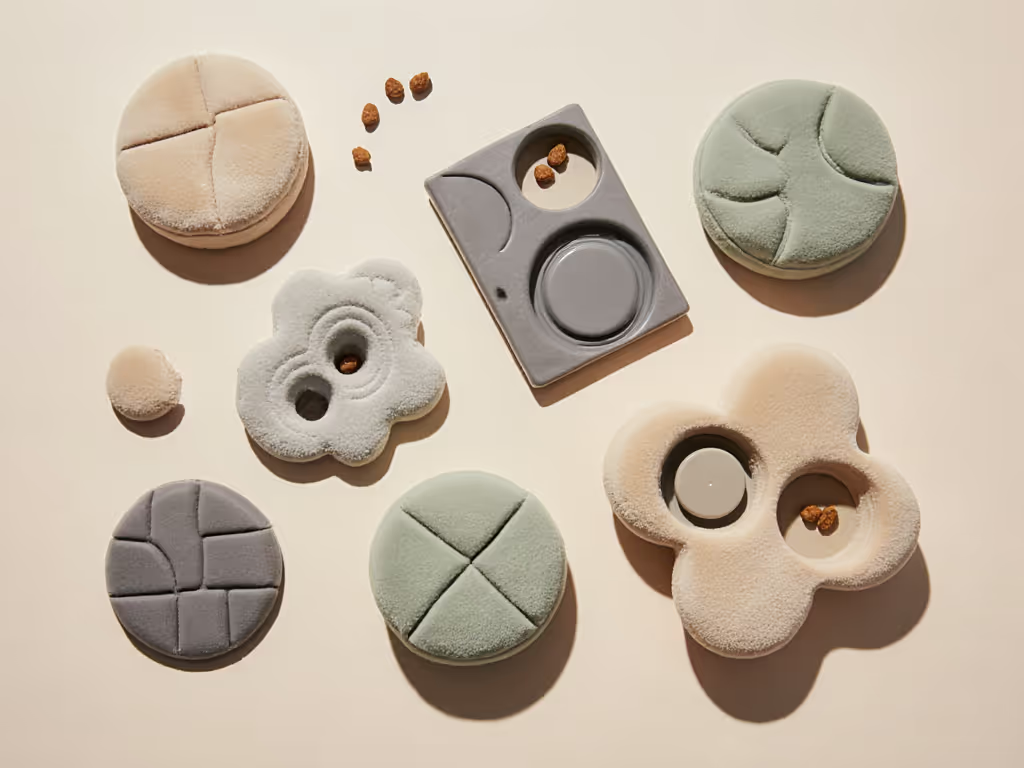
2. Snuffle Mats & Flat Foraging: Nose Work Without Joint Load
For many arthritic or post-surgery dogs, snuffle-style toys give the best ratio of movement to enrichment. They mimic grass foraging with almost no impact. Learn why scent-based play calms brains in our scent enrichment guide.
What they are:
- Fabric strips or felt "grass" on a flat mat.
- You scatter kibble or treats in the folds.
- Dog forages by sniffing and gentle nibbling, usually lying down.
Why they're arthritis-friendly:
- Low joint demand: No pouncing; dogs can work entirely from a down.
- Self-paced: Ideal for dogs who tire quickly.
- Calming: Repetitive sniffing helps arousal reduction, a fact widely noted by behavior consultants.
Metric Snapshot (quality snuffle mat):
- Price-to-playtime: 4-5/5 (10-20 mins per scatter for many dogs).
- Cost-per-minute: Low, especially if you use it daily with meals.
- Mess index: 1-2/5 (most crumbs stay in the mat).
- Cleanup minutes: 3-5 (shake out + occasional machine wash).
- Repairability: 3-4/5 (individual strips can often be re-tied or sewn).
- Accessibility: 5/5 for most mobility-limited dogs.
- Noise: Very quiet; great for apartments.
Best for:
- Dogs who enjoy sniffing more than chewing.
- Guardians wanting a low-mobility treat dispenser that doubles as a slow feeder.
Watch-outs:
- Avoid very long, loose strips for dogs who like to ingest fabric.
- For power chewers, supervise until you're sure they don't rip or eat the mat.
Quick setup pattern:
- Use 1/4-1/2 of a meal in the mat; the rest in a bowl so they're not over-stuffed.
- Start with treats on top of the strips, then tuck deeper as their skill grows.
3. Lick Mats & Shallow Slow Feeder Plates: Stationary, Soothing Work
Licking-based dog toys, puzzle-style are workhorses for arthritic dogs because the dog can plant themselves and stay put.
What they are:
- Flat or gently ridged mats/plates you smear with soft food (e.g., dog-safe wet food or vet-approved toppers).
- Some have suction cups for vertical use, but for mobility-limited dogs I prefer flat or slightly raised.
Why they're arthritis-friendly:
- Zero impact: No need to stand, pivot, or paw.
- Rhythmic licking: Helps many dogs relax post-walk or before rest.
- Time-stretching: You can adjust difficulty with freezer time or layering.
Metric Snapshot (sturdy silicone lick mat / feeder plate):
- Price-to-playtime: 4-5/5 (10-30 mins depending on spread and freeze).
- Cost-per-minute: Very low; well-made silicone can last years.
- Mess index: 2-3/5 (face smears, some drips if overloaded).
- Cleanup minutes: 2-4 (dishwasher-safe options shine here).
- Repairability: 2-3/5 (usually "replace when torn," but they last if properly sized).
- Accessibility: 5/5 when used flat.
- Noise: Silent.
Best for:
- Evening wind-down; pairing with "settle" training.
- Senior dog cognitive engagement when they can't walk far.
- Dogs with limited jaw strength who still enjoy working for food.
Watch-outs:
- Choose firm, food-grade silicone or similar; avoid thin plastic with sharp ridges. Not sure which style fits your dog? See our best lick mats for dogs comparison.
- Size up for strong lickers so they don't flip the mat easily.
Low-mess tricks:
- Use a thin smear, not heaping spoonfuls (this lowers the mess index and calories).
- Place on a tray or in a shallow baking sheet to catch drips.
4. Stationary Puzzle Boards: Sliders, Flaps & Spinners With Big Handles
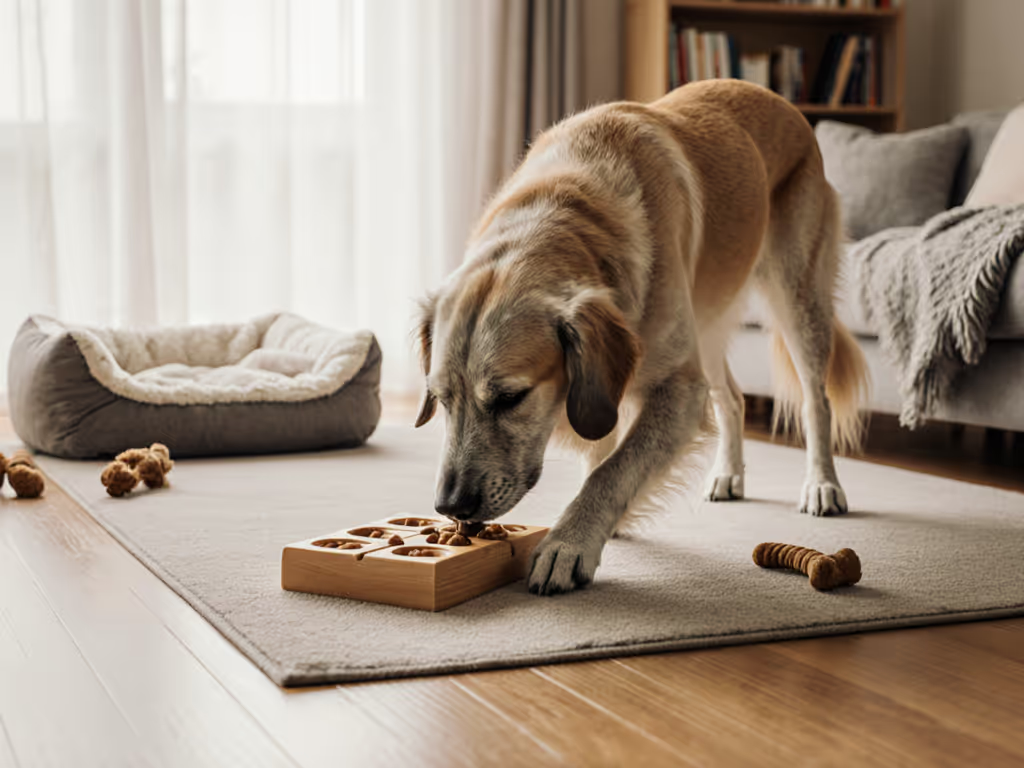
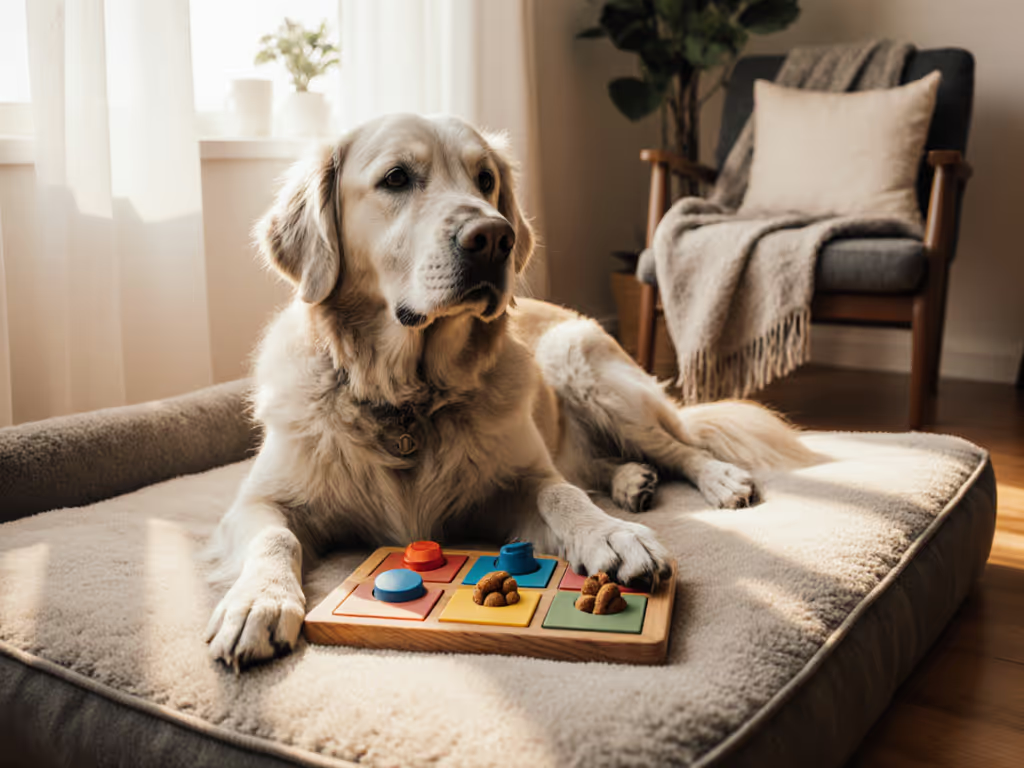
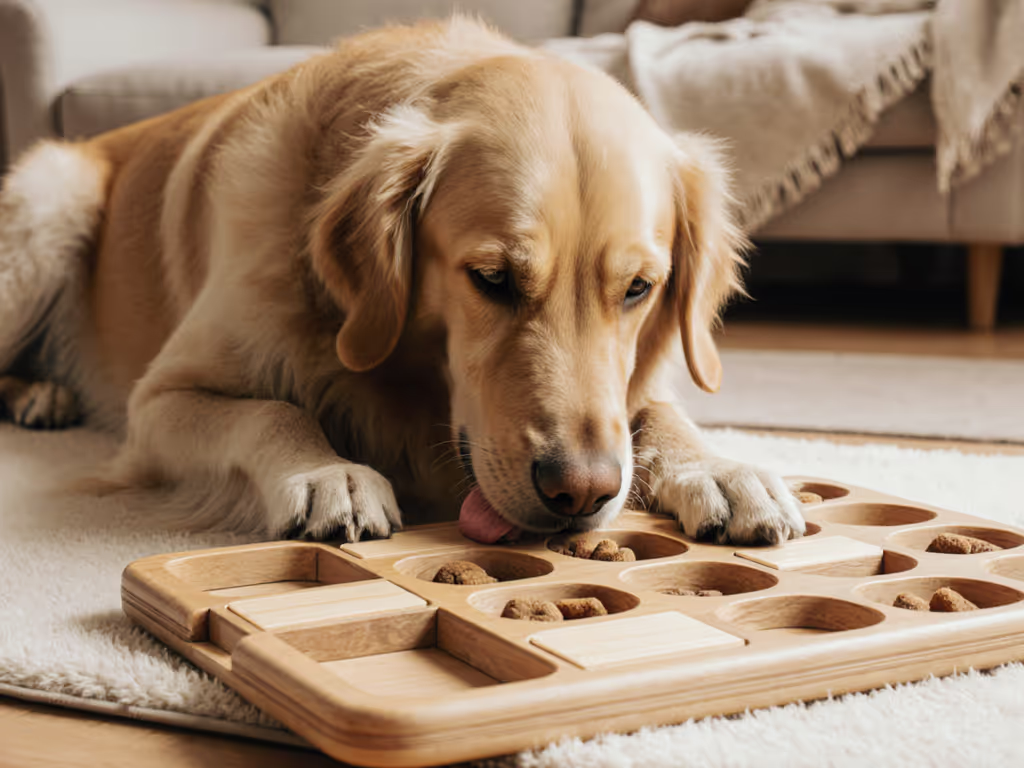
Classic dog toys puzzle boards can work very well for dogs with arthritis (if the pieces are easy to move with the nose and don't require big paw strikes).
What they are:
- Flat boards with compartments covered by sliders, swivels, or flaps.
- Dog learns to nudge or lift pieces to reveal treats or kibble.
Why they're arthritis-friendly (with the right design):
- Minimal range of motion: Dogs can lie next to the board and work with their head.
- Fine-motor nose work: Builds confidence and problem-solving without running.
Choose boards with:
- Large, easy-grip knobs or tabs.
- Smooth sliding action (no forceful paw hits needed).
- Non-slip base so the board doesn't skid when nudged. For matching puzzle mechanisms to learning style, check our difficulty-based puzzle guide.
Metric Snapshot (beginner/intermediate board):
- Price-to-playtime: 3-4/5 once the dog understands the game.
- Cost-per-minute: Moderate; plastic boards can last if supervised.
- Mess index: 1-2/5 (crumbs contained in the board area).
- Cleanup minutes: 3-6 (hand wash; check crevices for build-up).
- Repairability: 1-2/5 (once a slider breaks, it's usually done).
- Accessibility: 3-5/5 depending on handle size & friction.
- Noise: Low, mostly gentle clacks.
Best for:
- Dogs who like "figuring things out", not just sniffing.
- Guardians who want structured arthritis-friendly cognitive enrichment sessions.
Watch-outs:
- Avoid boards that require paw-tapping or stepping on pedals.
- Skip models with tiny, detachable parts or pieces that can be fully removed and chewed.
How to scale difficulty for low-mobility dogs:
- Start with one section open and others full of treats but easy to slide.
- Gradually close more compartments as they gain fluency.
- Keep sessions short (5-10 mins) to prevent frustration.
5. Low-Mobility Treat Dispensers & Wobblers: Minimal Pushing, Maximum Payoff
Many treat-dispensing toys assume a dog can trot around knocking them over. For dogs who can only pivot or take a few steps, look for low-mobility treat dispensers that:
- Are stable enough to reach while lying down.
- Release food with small nose nudges or gentle paw taps.
- Don't require endless rolling across the room.
Examples (by design type, not specific brands):
- Shallow, tipped bowls with inner mazes that release one piece at a time.
- Weighted wobblers that rock in place with a single nose push.
- Soft, squishy treat balls that don't bounce away quickly.
Metric Snapshot (arthritis-friendly dispenser):
- Price-to-playtime: 3-4/5 (depends heavily on hole size + kibble used).
- Cost-per-minute: Moderate; durable plastics or rubbers last, but check wear.
- Mess index: 2-3/5 (scattered kibble within a small radius).
- Cleanup minutes: 3-5 (hand wash, check for trapped crumbs/moisture).
- Repairability: 1-3/5 depending on design (single-piece vs multi-part).
- Accessibility: 3-5/5 (avoid designs that sprint away when batted).
- Noise: 2-4/5 (hard plastic on tile can be loud; silicone/rubber is quieter).
Best for:
- Dogs who enjoy a bit of movement but can't chase a toy.
- Guardians working from home who want quiet-ish, longer sessions.
Watch-outs:
- Skip tall, skinny wobblers that require full-body chasing.
- For slippery floors, put the toy on a rug or mat to stabilize.
Tuning difficulty:
- Use larger kibble or soft treats for easier release.
- Use smaller kibble or partially block openings (within manufacturer guidance) to extend time.
6. Ultra-Low-Impact DIY Foraging Setups (Using Safe Materials)
DIY can be your budget hero if you choose safe, simple materials and understand your dog's chewing style.
High-value, low-effort setups for mobility-limited dogs:
- Treats in a shallow dish with mixed textures
- Use a casserole dish or baking tray.
- Layer safe items like crumpled paper, clean fabric strips, or fleece pompoms.
- Sprinkle kibble/treats throughout.
- Dog can lie down and nose through the layers.
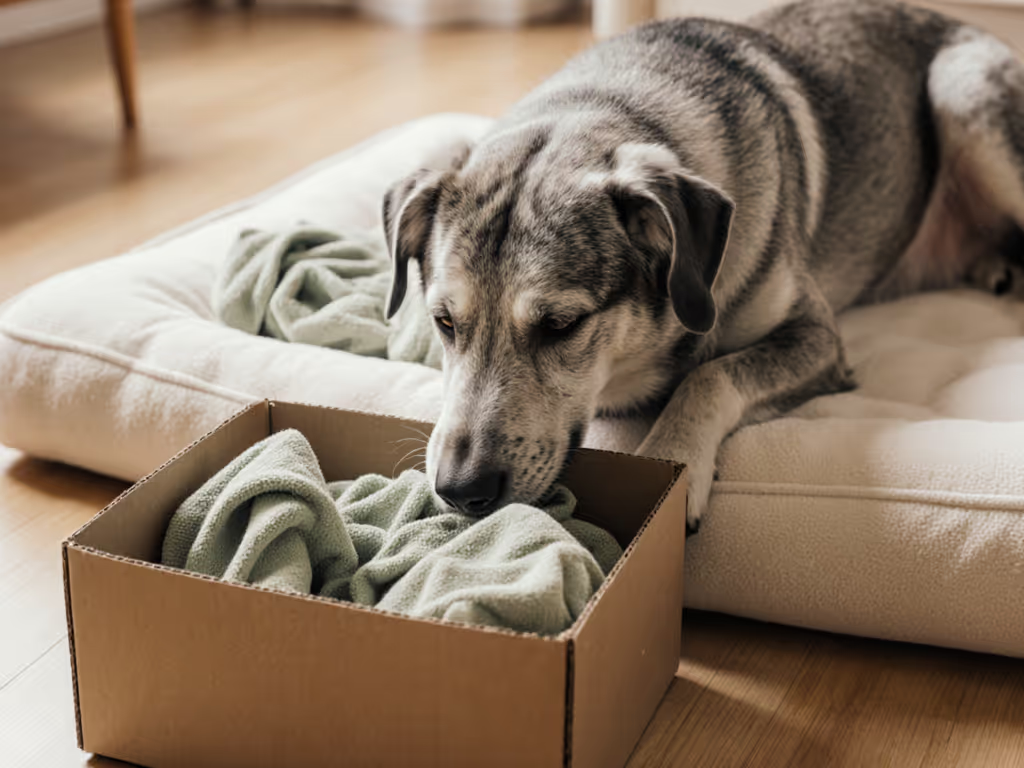
- Rolled towel "burrito" on a bed or mat
- Scatter kibble on a towel.
- Roll it up loosely; don't knot tightly for arthritic dogs.
- Place the roll right by your dog's chest so they can unroll with nose and gentle pawing.
- Cardboard "sniff-and-rip lite" for gentle shredders
- Place a few treats in a shallow box.
- Add a couple of flattened cardboard sleeves (no staples, tape, or ink-heavy glossy coatings).
- Great for dogs who enjoy mild tearing but can't do full-body destruction.
Metric Snapshot (DIY kit using household items):
- Price-to-playtime: 5/5 (nearly free if you re-use safe materials).
- Cost-per-minute: Extremely low.
- Mess index: 2-4/5 (depends on shredding allowed).
- Cleanup minutes: 3-8 (gather paper/fabric, quick floor sweep).
- Repairability: 5/5 (just refresh materials).
- Accessibility: 4-5/5 when set up at your dog's resting spot.
- Noise: 1-3/5 (paper rustle, minor box scraping).
Safety notes:
- Supervise at first; some dogs will eat cardboard or fabric instead of foraging.
- Avoid any material your dog is likely to swallow in large pieces.
- Skip plastic bags, string, or anything that can wrap around jaws or paws.
When I started tracking engagement minutes versus cleanup minutes during a tight-budget foster month, simple towel rolls and casserole-dish foraging regularly beat pricey gadgets. Price-to-playtime wins.
7. Matching Puzzle Type To Your Dog's Mobility & Style
Here's a quick decision grid to cut through overwhelm.
A. Start With Your Dog's Current Mobility
- Can mostly lie down, limited standing:
- Top picks: Snuffle mats, lick mats, shallow foraging dishes.
- Can stand briefly but tires fast:
- Add: Weighted wobblers and easy puzzle boards.
- Can move around room slowly:
- Safely include: Soft treat balls and short-distance dispensers.
B. Layer In Playstyle & Mouth Habits
- Gentle forager, loves sniffing:
- Snuffle mat + DIY casserole dish set-ups.
- Food-motivated licker, moderate stamina:
- Lick mats + shallow slow-feeder plates (frozen or fresh).
- Problem-solver, enjoys "unlocking" things:
- Stationary puzzle boards with large sliders.
- Soft chewer, likes to tug or rip lightly:
- Rolled towels, fabric-based foraging with supervision.
C. Estimate Your Real-Life Tolerance For Mess & Cleanup
Use this quick home-fit checklist:
- I can handle 5-10 cleanup minutes per day → Any combo is fine.
- I need under 5 cleanup minutes most days → Lick mats, slow-feeder plates, snuffle mats.
- I'm okay sweeping up paper a few times a week → Bring on DIY boxes and towel games.
D. Compare Two Candidates Side By Side (Example)
Snuffle Mat vs Lick Mat for a 12-year-old arthritic Lab:
- Engagement:
- Snuffle mat: 10-15 mins/meal.
- Lick mat (frozen): 15-25 mins.
- Cleanup minutes:
- Snuffle: 3-5 (shake + periodic wash).
- Lick mat: 2-4 (rinse or dishwasher).
- Mess index:
- Snuffle: 2/5.
- Lick mat: 2-3/5.
Result: If you're short on time and want maximum calming, the lick mat edges ahead; if you want more sniffing and less sticky cleanup, snuffle wins. Either way, arthritis-friendly cognitive enrichment without extra impact.
8. Your 7-Day Arthritis-Friendly Enrichment Plan (Actionable Next Step)
To turn this comparison into action, here's a low-effort weekly rotation you can start with tomorrow. Adjust for your dog's diet and vet guidance.
Daily baseline:
- Keep at least one meal served through enrichment instead of a plain bowl.
Day 1 - Snuffle Start
- Breakfast: 1/2 ration in a snuffle mat.
- Evening: 5-minute easy puzzle board session with big, obvious treats.
Day 2 - Lick & Settle
- Afternoon (when you need quiet): Lick mat with a thin smear of dog-safe soft food, optionally lightly frozen.
- Short walk or potty break, then let them nap.
Day 3 - DIY Foraging Dish
- Dinner: Kibble in a shallow dish layered with crumpled paper or fabric strips.
- Keep it easy at first (treats visible from the top layer).
Day 4 - Wobbler Lite
- Midday: 10-15 minutes with a low-mobility treat dispenser that can be reached lying down.
- Use large kibble or slightly bigger treats so it's not too frustrating.
Day 5 - Puzzle Board Confidence Boost
- 5-10 minutes on a stationary puzzle board, with every other compartment pre-opened or half-opened.
- End while your dog is still engaged, not tired or annoyed.
Day 6 - Snuffle + Lick Double
- Breakfast: Snuffle mat.
- Evening: Small lick mat session as part of bedtime routine.
Day 7 - DIY Mix & Review
- Create a towel burrito with a modest handful of kibble.
- Afterward, note:
- Which toy gave the longest calm engagement?
- Which had the lowest cleanup minutes?
- Which left your dog most relaxed, not revved up?
Use those notes to choose 2-3 core puzzle types to keep in regular rotation. For a step-by-step system, see our dog toy rotation guide. Retire any toy that causes slipping, frustration, or rough movements that your vet or physio has cautioned against.
Remember, for mobility-limited dogs, success isn't a high step count (it's a calm, fulfilled brain with predictable mess and minimal strain on sore joints). Build from there, and you'll see why, even in a tight budget month, fewer, better puzzle toys with reliable engagement are the smartest investment.
Related Articles