Canine Texture Preferences: The Science Behind Toy Selection
By Isha Ramanathan • 19th Feb
When we can measure it, we can trust it, and improve it. Recent research has reframed how we think about canine texture preference science and dog toy material selection, moving away from visual appeal and toward what dogs actually prioritize during play and object recognition. Understanding these preferences transforms toy selection from guesswork into strategic matching.
What Does the Latest Research Tell Us About Texture and Dog Toy Selection?
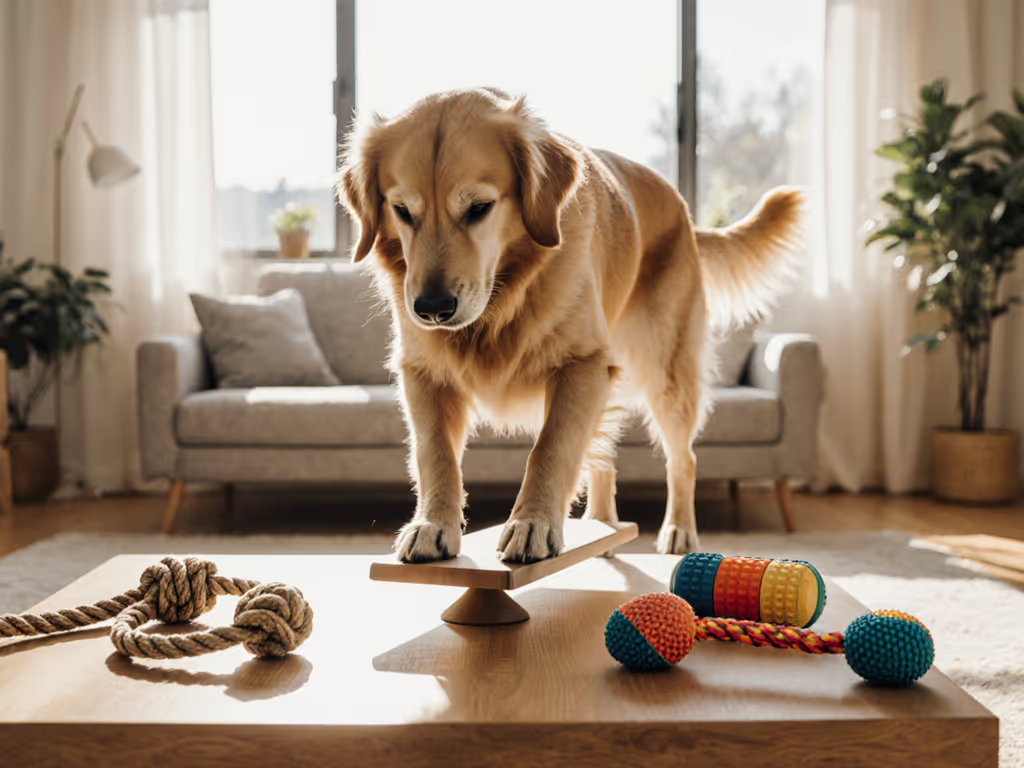
A landmark study from Eötvös Lorand University, published in Scientific Reports (November 2024), tracked 35 dogs as they identified objects based on either matching shape or matching texture[1]. The finding was definitive: dogs ultimately selected texture-matching objects over shape-matching ones, even when they initially approached the shape-similar object first[1][3].
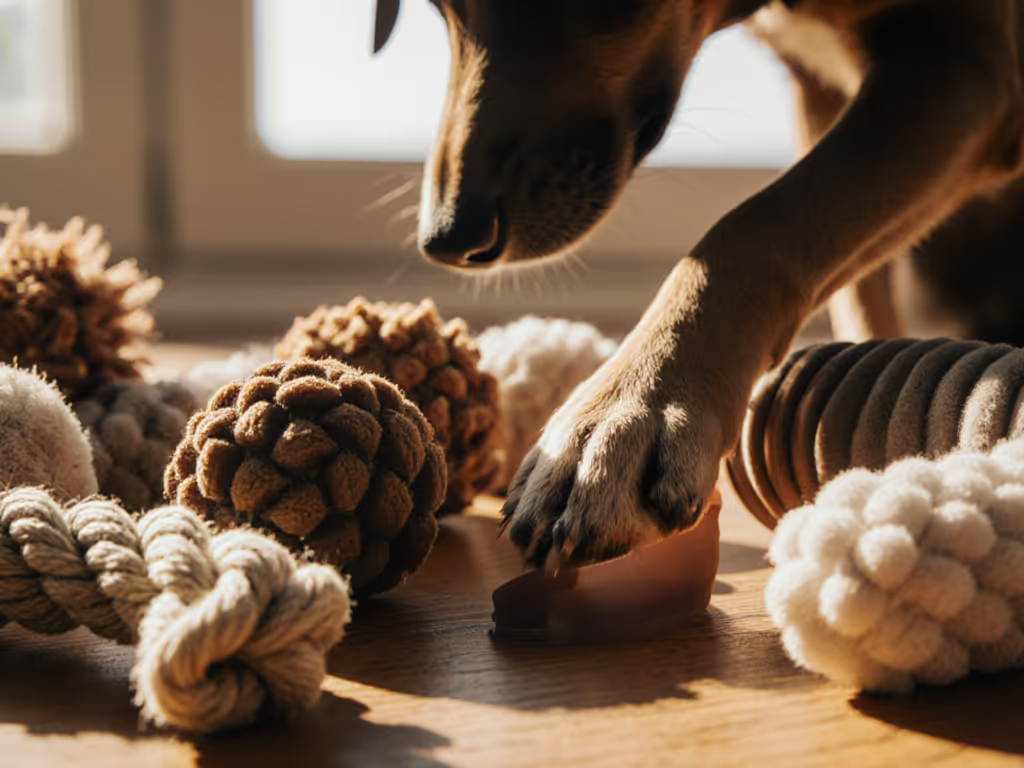
This distinction matters operationally. While dogs used visual cues to approach an object, tactile cues (texture, firmness, surface friction) determined their final choice[1][3]. In practical terms, if your dog has learned to retrieve a particular toy, the feel in their mouth drives engagement far more than whether the replacement toy looks identical[3].
Why the visual-then-tactile sequence? Researchers suggest dogs rely on sight for spatial assessment and initial targeting, but once contact occurs, the sensory modality shifts to touch[1][3]. Your dog's mouth and paw pads carry a high concentration of mechanoreceptors (pressure, vibration, and texture sensors), making tactile sensory processing the dominant decision-making tool at the point of contact.
How Do Texture Preferences Vary Across Dogs and Playstyles?
Texture response is not uniform. The same fabric or rubber surface produces measurably different engagement based on a dog's arousal threshold, jaw strength band, and prior reinforcement history.
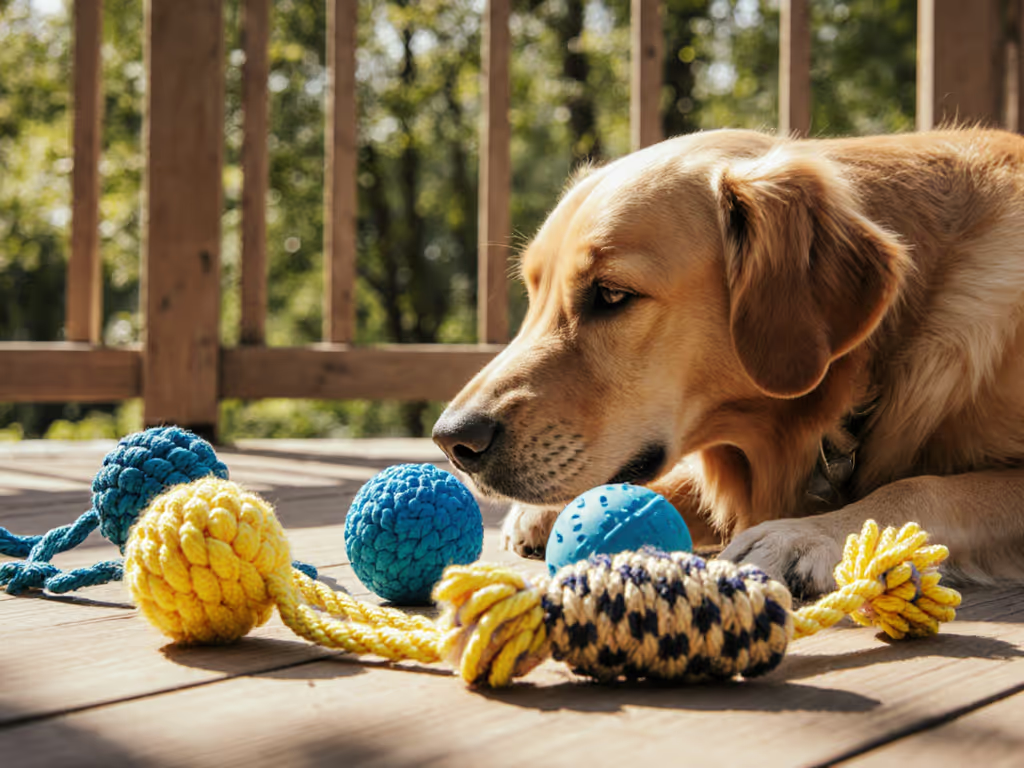
Power chewers and dogs in higher arousal states (including retrievers, bully breeds, and herding dogs) typically show sustained engagement with textured surfaces that provide resistance and feedback. For durable, texture-forward options, see our best chew toys for hard chewers. A woven or corded texture offers micro-variations that maintain novelty across multiple contact cycles, delaying the engagement half-life decline. In contrast, smooth plastics show rapid habituation; dogs disengage after 2 to 4 contact bouts[4].
Texture also functions as a self-regulation tool. Softer, plush textures paired with lower-arousal play patterns (gentle carry, settling) correlate with calmer post-play behavior, while textured elasticity (like rubber with raised patterns) maintains focus for goal-oriented chewers without overstimulation[4].
Senior dogs and those with dental sensitivity show preference shifts toward lower-resistance textures. Softer fabrics and yielding rubber reduce jaw strain while still providing tactile input. Similarly, puppies in teething stages benefit from varied texture gradients (softer outer layers with firmer inner cores), allowing graduated oral exploration without tooth trauma[4].
Which Specific Textures Translate Into Measurable Enrichment Value?
The texture-to-engagement mapping hinges on resistance and feedback consistency:
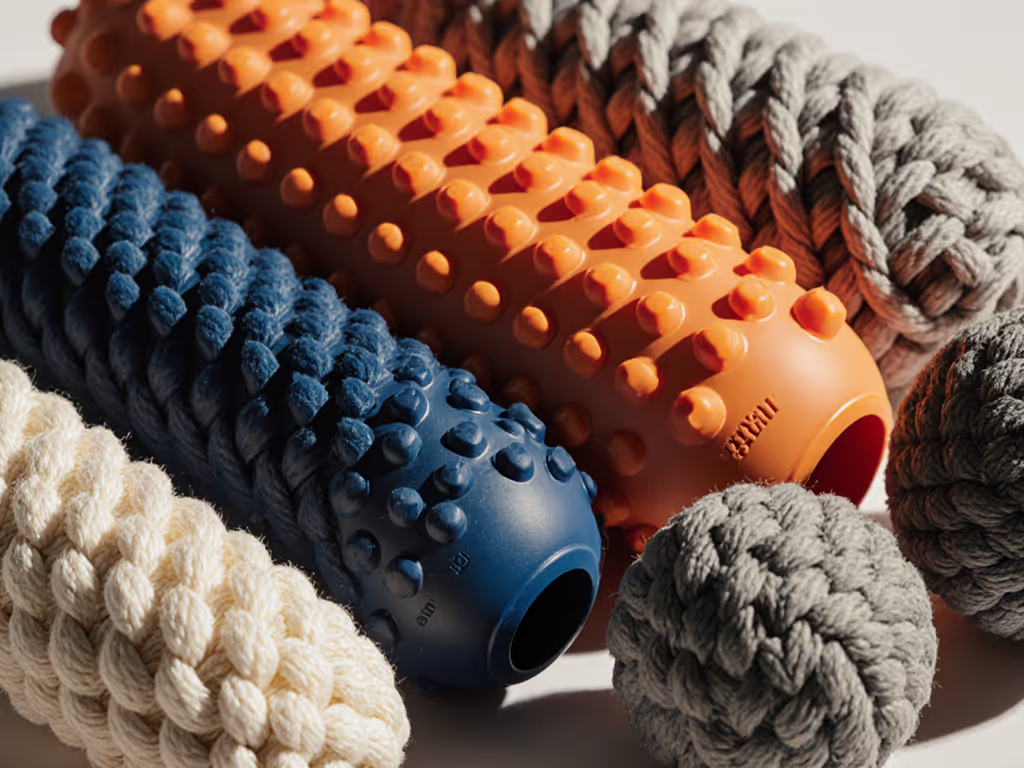
Woven/Corded Textiles: High tactile variation, sustained engagement cycles, lower jaw impact. Failure mode: fraying under moderate chew intensity; fiber ingestion risk if not monitored.
Elastomer/Rubber with Surface Pattern: Mid-range resistance, consistent feedback, recovers shape after deformation. Failure modes: surface degradation (flaking, particulate shedding) in extended UV exposure; internal porosity traps bacteria if not regularly cleaned[4]. To reduce biofilm and odor, follow our dog toy cleaning guide for elastomers and textured surfaces.
Nylon/Braided Composites: High resistance, suitable for power chewers; supports sustained cognitive engagement through persistence-required extraction goals. Failure mode: splintering or micro-particle release; gastrointestinal blockage risk if pieces are swallowed[4].
Plush/Fleece: Low resistance, rapid habituation in high-drive dogs but excellent for low-arousal settling and anxiety-reduction protocols. Failure mode: stuffing leakage; entanglement risk if oversized seams separate.
The hierarchy isn't about "best": it's about mapping playstyle to measurable failure mode risk and engagement duration. For a deeper breakdown of material failure modes, see our safety analysis by toy material. A dog's chew resistance score relative to their jaw strength band determines how long that texture remains engaging before degradation creates safety hazards.
How Do I Translate Playstyle Into Risk, Enrichment, and Expected Lifespan?
You assess three metrics:
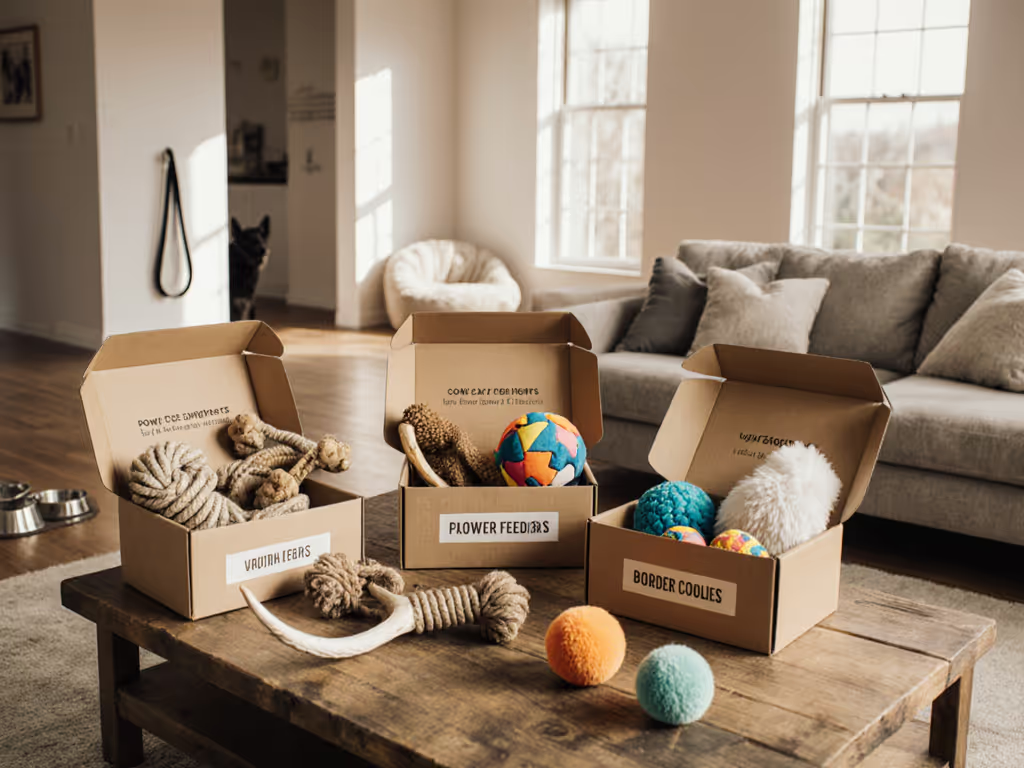
1. Jaw Strength Band Small dogs (<15 lbs) and seniors: Low-impact textures; elastomer or soft woven. Medium dogs (15 to 50 lbs), moderate drive: Mid-range elastomer or nylon blends. Power chewers (>50 lbs or high-drive breeds): High-resistance nylon, natural rubber, or composite textures designed for force application.
2. Engagement Half-Life Time from first contact to 50% decline in active interest. Measure in play sessions. Texture novelty (micro-variation, resistance gradation) extends this duration. Smooth or uniform surfaces compress it to 1 to 2 sessions in motivated chewers.
3. Failure Mode Predictability Once you know texture, jaw strength, and engagement history, failure becomes forecastable. Woven toys fail by fraying around 8 to 12 weeks in moderate-drive dogs; splintering composites show risk after 4 to 6 weeks in power chewers; plush toys shed stuffing after 2 to 3 heavy-contact sessions if seams are weak.
Tested across shelters, dogs sorted by playstyle and jaw band showed remarkably consistent failure patterns. One week of tagging, weighing before and after, and logging chew scars revealed that failure modes were far less random than many guardians assumed. The surprise wasn't which toys lasted; it was how predictable the degradation became once you grouped dogs by sensory profile and arousal level. Use our predictive toy replacement system to track wear and set safe retirement dates.
Where Does Texture Rank Among Other Toy Selection Criteria?
Texture dominates object recognition and engagement, but it operates within a hierarchy:
Primary (Tactile Decision-Making): Texture drives final choice at point of contact, especially for carry, toss, and chew behaviors[1][3].
Secondary (Accessory Engagement Drivers): Size accuracy to mouth/paw dimensions, firmness relative to bite force, cleanability (ease of residue removal).
Tertiary (Sensory Modifiers): Color (dogs show preference for yellow under certain contexts, though less decisive than texture); scent (functional for locating but less important for sustained engagement than tactile feedback); sound (novelty appeal diminishes rapidly; useful for low-drive dogs but can trigger overstimulation in apartment settings).
Mouth feel preferences (the combination of texture, moisture wicking, temperature retention, and surface friction) are highly individual but measurably different by playstyle. Higher-moisture textures feel softer and more porous; dogs show sustained engagement over several sessions before habituation[4]. Crispness and hardness increase resistance feedback but accelerate failure risk in power chewers[4].
What Should I Do Next?
If you're selecting or rotating toys, start by benchmarking your dog's profile:
- Identify playstyle and jaw strength band - Observe 3 to 5 sessions: Does your dog carry/settle, or power-chew and persist? Apply force instantly or gradually?
- Test texture response - Introduce two toys with identical shape but different textures. Log which one receives sustained contact and which is abandoned.
- Track failure - Document when degradation begins (fraying, cracking, surface shedding). This baseline predicts lifespan for future selections within that jaw band.
- Rotate by texture type, not just novelty. A worn-out corded toy can be replaced with a different corded design if texture is the driver; your dog will re-engage without requiring a completely novel object. For an easy schedule, follow our dog toy rotation method.
- Match enrichment goals to texture properties - Seeking calm settling? Soft, low-resistance textures. Aiming for extended cognitive engagement? Mid-to-high resistance textured surfaces with variation.
The evidence is clear: texture isn't cosmetic; it's foundational to how dogs recognize, engage, and disengage from toys. By translating playstyle into measurable texture requirements and failure mode expectations, you reduce wasted purchases, extend toy lifespan, and align enrichment to your dog's actual sensory priorities.
Related Articles